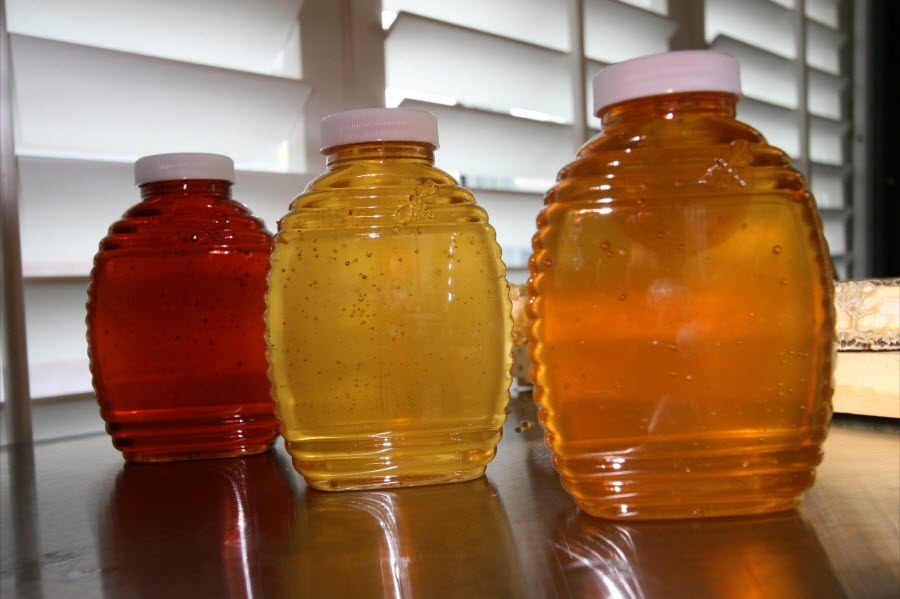
LACBA Speaker September 14, 2026 - Dr. Ruben Alarcón (In Person)
Impacts of climate change on plant-pollinator interactions at 10,000 ft.
Dr. Ruben Alarcón, earned his Ph.D. at UC Riverside, where he studied plant-pollinator communities in high elevation mountain meadows (Eastern Sierra Nevada, CA). For his postdoctoral work at University of Arizona, he studied hawkmoth communities, followed by an entomology research position at the USDA’s Carl Hayden Bee Research Center in Tucson, AZ. Dr. Ruben Alarcón is currently the Chair of Biology at CSU Channel Islands and regularly teaches Entomology, Behavioral Ecology, and Apiculture & Bee Biology. His research focuses on pollinator ecology, honeybee health, and sustainable agriculture. He is the faculty advisor for the Bee Club. On his free time, Dr. Alarcón enjoys backpacking, kayaking, fishing, and volunteering with Canine Adoption and Rescue League https://carldogs.org/
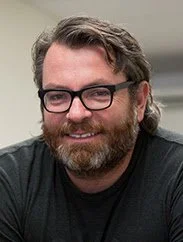
LACBA Speaker October 5, 2026 - Dr. Blake Gillespie (On Zoom)
Reporting on results of testing samples of honey from areas impacted by the Altadena wildfires
Dr. Blake Gillespie is a professor of Biochemistry at Cal State Channel Islands in Camarillo California.
He began his career studying protein folding as an undergraduate at The Evergreen State College in Olympia, Washington, earned his doctorate at The University of Oregon, and did post-doctoral research at the University of California Santa Barbara.
As a professor at Channel Islands his focus has expanded to include natural products - including honey! - analysis, paralleling novel courses he's developed there including "Beer, Wine, and Spirits" and "The Chemistry of the Kitchen".
Blake now oversees a group of students that research coffee chemistry, the chemical outcomes of fermentation processes, plant and insect lipids and toxins, compost maturation signatures, and honey!
He will share progress on his work looking for variations in the chemical signatures that tell honey's story, be they found in a beekeeper's location, urban/rural geography differences among apiaries, environmental changes, or even as a result of natural disaster.
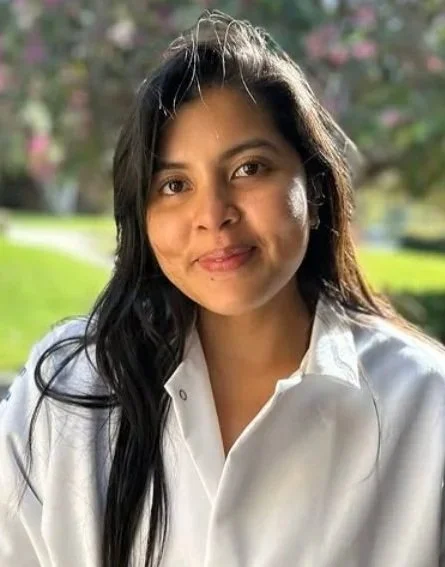
LACBA Speaker November 2, 2026 - Genesis Chong (In Person)
Can some bees thrive better with Varroa? What Southern California hybrid honey bees may teach us
Genesis Chong is a postdoctoral researcher at the University of California, Riverside, where she studies how honey bees respond to various forms of stress, including parasites such as Varroa destructor and environmental challenges like heat stress. Her work combines field and laboratory approaches to understand the mechanisms that allow some bees to survive under pressure. She is particularly interested in how immune responses and host-parasite interactions contribute to resilience, with the goal of supporting more sustainable beekeeping practices.
Presentation:
In ongoing evidenced-based research, it is clear that some feral or hybrid bee populations consistently maintain lower varroa mite levels and require fewer mite treatments. Chong's research goal is to understand what exactly causes this phenomenon, and isolate it in order to benefit large scale bee populations, through the establishment of a molecular breeding program. In this talk, she will share her findings from her long-term study of feral-hybrid honey bee colonies in Southern California.